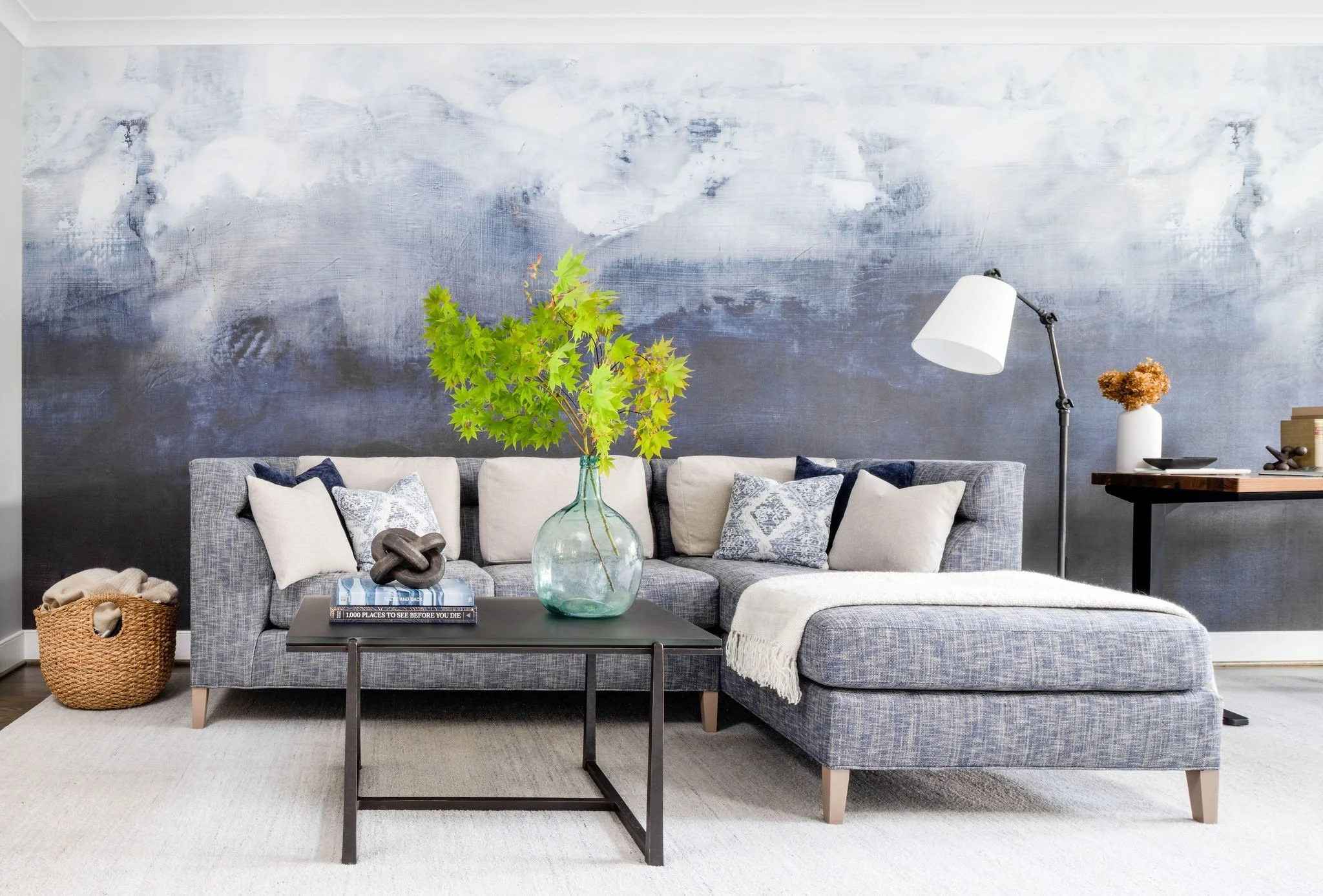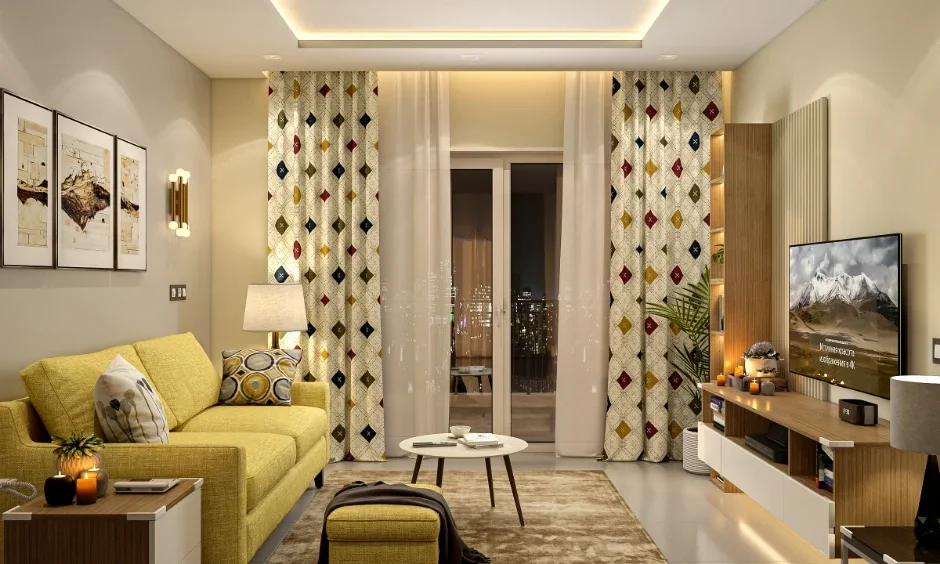
A home rarely serves exactly the same purpose throughout its lifetime. Families grow, work habits change, hobbies appear, children need different spaces, and homeowners may eventually require greater comfort or accessibility. Constant remodeling, however, can be expensive and disruptive. A more practical approach is to make thoughtful design choices that allow existing spaces to respond to changing needs.
Adaptability does not necessarily require removing walls or rebuilding entire rooms. Furniture selection, storage planning, lighting, flexible layouts, and small functional improvements can significantly change how a home works.
Choose Furniture That Can Serve Multiple Purposes
Furniture is one of the easiest elements to change when household requirements evolve. Instead of filling rooms with pieces designed for only one purpose, homeowners can select items capable of performing several functions.
A dining table, for example, can become a temporary workstation, study area, or craft surface. An ottoman with internal storage can provide seating while keeping blankets, toys, or other belongings organized. A sofa bed can transform an ordinary sitting room into temporary accommodation for visitors.
This approach resembles the way people search digital platforms for more info before deciding which option fits their current needs. Flexible furniture provides similar freedom because homeowners can reconsider how individual pieces are used without permanently changing the room.
Keep Room Layouts Easy to Rearrange
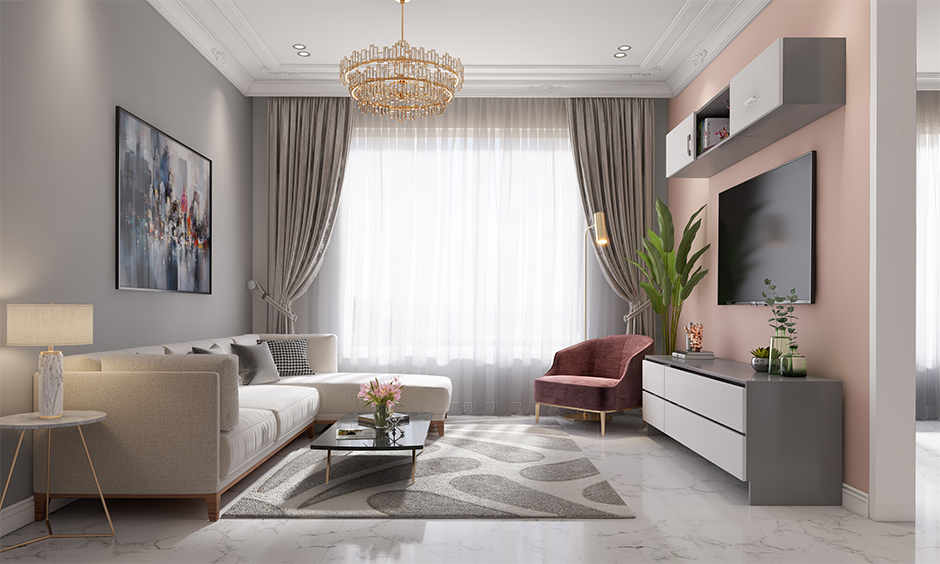
Highly fixed layouts can make rooms difficult to adapt. Heavy furniture, oversized built in features, and tightly defined zones may work perfectly today but become inconvenient when household routines change.
Leaving sufficient open floor space makes rearrangement easier. Lightweight chairs, movable tables, modular shelving, and freestanding storage can help homeowners redefine a room whenever necessary.
People are accustomed to selecting options such as view more when they want to explore additional possibilities online. Home design can follow a comparable principle by leaving room for possibilities instead of deciding every future function during the initial setup.
Create Storage That Supports Changing Priorities
Storage requirements rarely remain constant. Young families may need space for toys and school supplies, while later years might bring sports equipment, work materials, travel items, or hobby collections.
Adjustable shelving can accommodate objects of different sizes without requiring replacement cabinets. Storage boxes and modular organizers can also be relocated as priorities change. Even unused vertical wall areas can provide valuable storage without consuming additional floor space.
Organization becomes particularly important when households need to keep important records accessible. Whether someone is storing property papers, employment documents associated with a manav sampada id, warranties, or household receipts, clearly defined storage locations can prevent unnecessary searching.
Use Lighting to Give Rooms Different Functions
Lighting can dramatically alter how a space feels and functions without requiring structural changes. Instead of depending entirely on a single ceiling fixture, homeowners can create layers using floor lamps, table lamps, task lighting, and adjustable fixtures.
A bright corner can support reading or remote work during the day and become a softer relaxation area at night. Similarly, under cabinet lighting can improve kitchen functionality without changing cabinets or countertops.
The objective is to provide choices. Just as someone might specifically search for the Punjab State Lottery Official Website rather than relying on unrelated information, homeowners benefit when lighting is intentionally matched to a particular activity.
Preserve Flexible Areas Wherever Possible
Not every corner needs an immediate permanent purpose. A spare bedroom might initially function as storage, later become a home office, and eventually serve as a guest room. An open landing could accommodate a reading chair today and a compact desk in the future.
Flexible areas are especially valuable because lifestyle changes are difficult to predict. Designing every space around highly specific furniture or permanent installations can restrict future options.
The same principle applies when people use services such as Kaveri Online for a particular administrative purpose. A well organized home should make it equally straightforward to identify and access the space needed for a particular activity.

Make Small Improvements With Long Term Value
Adaptable homes are created through many practical decisions rather than one dramatic renovation. Adding additional electrical outlets, choosing neutral finishes, installing adjustable shelves, improving lighting, and selecting movable furniture can make future changes considerably easier.
Neutral walls and flooring are particularly useful because they allow rooms to change character through accessories, textiles, furniture, and artwork. Homeowners can refresh a room without replacing its fundamental surfaces.
Ultimately, good residential design is not only about making a home attractive today. It is also about creating enough flexibility for tomorrow. When spaces can change through simple adjustments, a home can continue supporting new routines, responsibilities, and stages of life without requiring major renovations every time circumstances change.