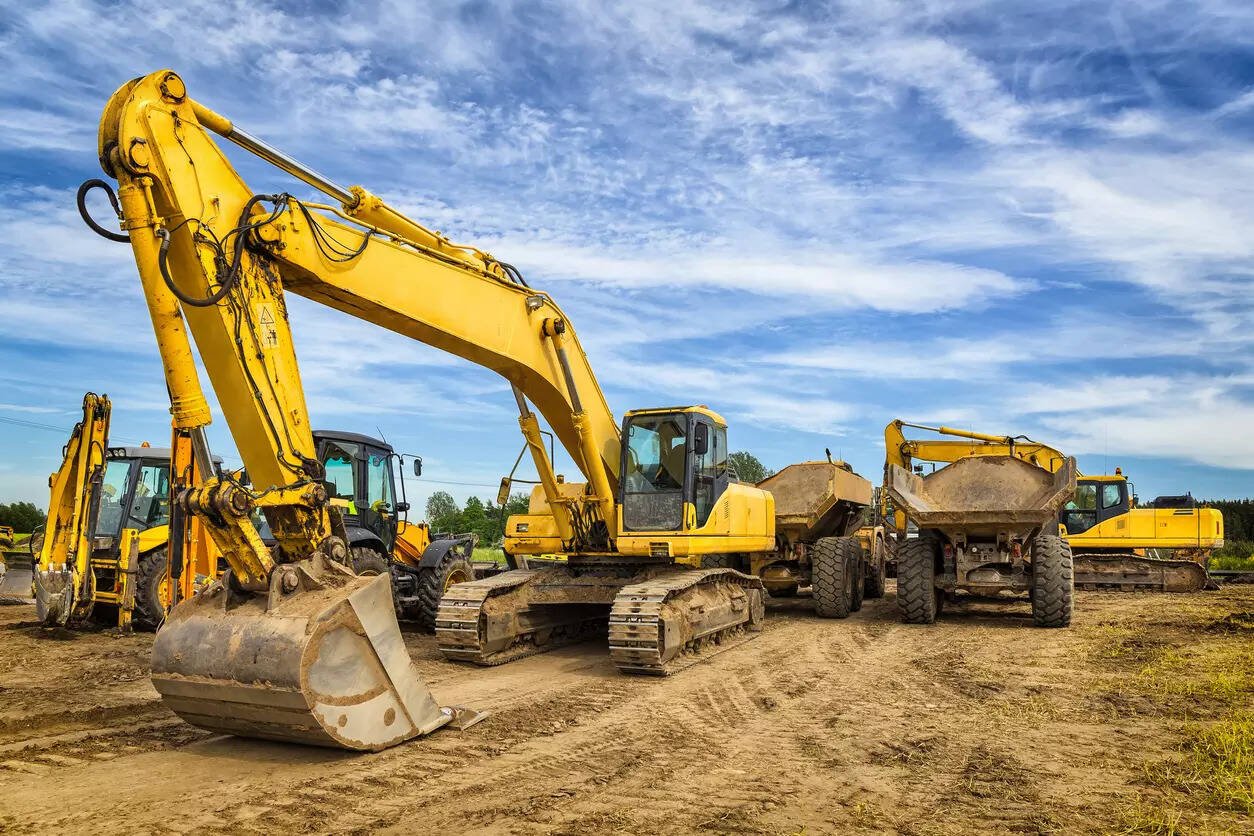
Construction projects require careful planning, skilled workers, reliable machinery, and effective resource management. While contractors often focus on purchasing equipment that meets their immediate requirements, the importance of Choosing the right dealer can sometimes be overlooked. An experienced construction equipment dealer offers much more than access to heavy machinery. Their industry knowledge, equipment recommendations, technical assistance, and ongoing support can contribute significantly to the success of construction operations.
Working with a knowledgeable dealer can help construction businesses make informed investments, reduce operational challenges, and maintain productivity throughout demanding projects. Understanding the advantages of this professional relationship can make a meaningful difference in both immediate performance and future business growth.
Expert Guidance for Selecting the Right Machinery
Every construction project has different equipment requirements depending on the terrain, workload, project duration, and operating conditions. Choosing machinery without considering these factors can lead to unnecessary expenses, reduced efficiency, and operational difficulties.
An experienced construction equipment dealer understands the capabilities and limitations of different machines. Whether contractors need excavators for digging, wheel loaders for material handling, or bulldozers for site preparation, professional guidance can help them identify equipment that matches their requirements.
Dealers with extensive industry experience can also explain important specifications, including engine performance, operating capacity, fuel consumption, and maintenance requirements. This knowledge allows contractors to compare available options and make purchasing decisions based on practical needs rather than price alone.
Access to Reliable and Suitable Equipment
Equipment reliability directly influences construction schedules and overall project performance. Machinery that frequently experiences mechanical problems can interrupt operations, increase labor expenses, and create unexpected delays.
Working with an established dealer provides contractors with opportunities to evaluate machinery based on its condition, specifications, and suitability for particular applications. Experienced dealers can help buyers understand the differences between equipment models and identify features that support demanding working environments.
For businesses considering previously owned machinery, professional assistance becomes particularly valuable. Reviewing equipment history, operating hours, maintenance records, and visible wear can help buyers assess potential risks before making an investment.
Selecting suitable machinery from the beginning supports smoother operations and reduces the likelihood of costly equipment mismatches.
Long-Term Financial Benefits Beyond the Purchase Price
Construction machinery represents a substantial financial commitment, making equipment purchasing decisions especially important for contractors managing limited budgets. Although lower purchase prices may appear attractive, the total cost of ownership deserves equal attention.
An experienced construction equipment dealer can help contractors evaluate expenses associated with fuel consumption, routine maintenance, replacement parts, transportation, and future repairs. It is easier to comprehend the financial obligations associated with equipment ownership when these aspects are taken into account.
Additionally, dealers may offer information about financing arrangements, equipment availability, and purchasing alternatives when such services are available.
Investing in machinery that matches operational demands can also prevent unnecessary spending on oversized or unsuitable equipment. Careful purchasing decisions help construction businesses allocate resources effectively while maintaining the machinery needed for daily operations.
Maintenance Knowledge and Technical Support
Heavy construction equipment operates under demanding conditions, including uneven terrain, extreme temperatures, dust, and continuous mechanical stress. Maintaining performance and avoiding preventable malfunctions require routine maintenance.
Experienced equipment dealers understand the importance of preventive maintenance and can guide contractors regarding recommended service intervals, inspection procedures, and common mechanical concerns.
Depending on the dealer’s capabilities, customers may also receive assistance with replacement parts, technical questions, and equipment servicing. Access to knowledgeable support can help equipment owners address developing issues before they become major operational problems.
Understanding maintenance requirements also encourages contractors to establish better equipment management practices. Proper servicing, timely inspections, and responsible operation can extend machinery life and protect the value of construction investments.
Building a Stronger Equipment Fleet Over Time
As construction businesses expand, their machinery requirements often become more complex. Equipment that supports smaller projects may not provide sufficient capacity for larger commercial developments or demanding infrastructure work.
Maintaining a relationship with an experienced dealer can make future equipment planning more manageable. Dealers familiar with a contractor’s operations can provide recommendations when businesses consider expanding their fleets, replacing aging machines, or introducing equipment for specialized applications.
This continuity can simplify purchasing decisions and help contractors maintain consistency across their equipment operations. It also allows businesses to approach machinery investments with a broader understanding of their future construction goals.
Reducing Project Delays Through Better Equipment Decisions
Construction schedules depend heavily on equipment availability and operational efficiency. Selecting inappropriate machinery can slow progress, increase fuel consumption, and create difficulties for workers completing essential tasks.
Experienced dealers can help contractors evaluate equipment capabilities before purchasing, reducing the possibility of choosing machinery that cannot handle anticipated workloads.
Their practical understanding of construction applications can also support better decisions regarding machine size, attachments, operating conditions, and transportation requirements.
When equipment selection aligns with actual project demands, contractors are better positioned to maintain consistent workflows and avoid preventable interruptions.
Conclusion
The value of an experienced construction equipment dealer extends far beyond the initial machinery purchase. Professional guidance, equipment knowledge, maintenance insights, and ongoing business relationships can all contribute to more effective construction operations.
For contractors seeking dependable machinery and sustainable business growth, choosing the right dealer is an important strategic decision. By considering expertise, equipment suitability, service capabilities, and long-term operating costs, construction businesses can make smarter investments and build stronger foundations for future projects.