Construction projects often occur in environments that call for stamina, strength, and accuracy. Heavy equipment is essential to sustaining productivity and efficiency in everything from major infrastructure improvements to mining operations and road building. In order to promote safety, dependability, and long-term operational performance, modern construction equipment is built today to operate in some of the most demanding work situations.
Businesses are searching for equipment that can endure challenging circumstances without compromising productivity as the construction industry continues to grow. Companies may get equipment from a reputable construction equipment supplier that can manage challenging terrain, severe weather, and demanding workloads while delivering reliable performance.
Hard-Duty Equipment
Seldom are construction sites straightforward settings. Dust, muck, heat, rain, vibration, and uneven terrain are all common exposures for machines. In these circumstances, equipment has to be constructed with robust materials and reinforced parts that can withstand constant usage.
These days, manufacturers place a lot of emphasis on structural durability. Modern equipment designs often use reinforced undercarriages, sophisticated hydraulic systems, and heavy-duty steel frames. These characteristics enable equipment to run for extended periods of time without experiencing undue wear and tear.
In demanding applications where dependability is crucial, excavators, loaders, bulldozers, and graders are often used. Durability is one of the most important characteristics for contractors and project managers, as equipment breakdowns may cause delays and higher expenses.
Technology Enhancing The Performance Of Equipment
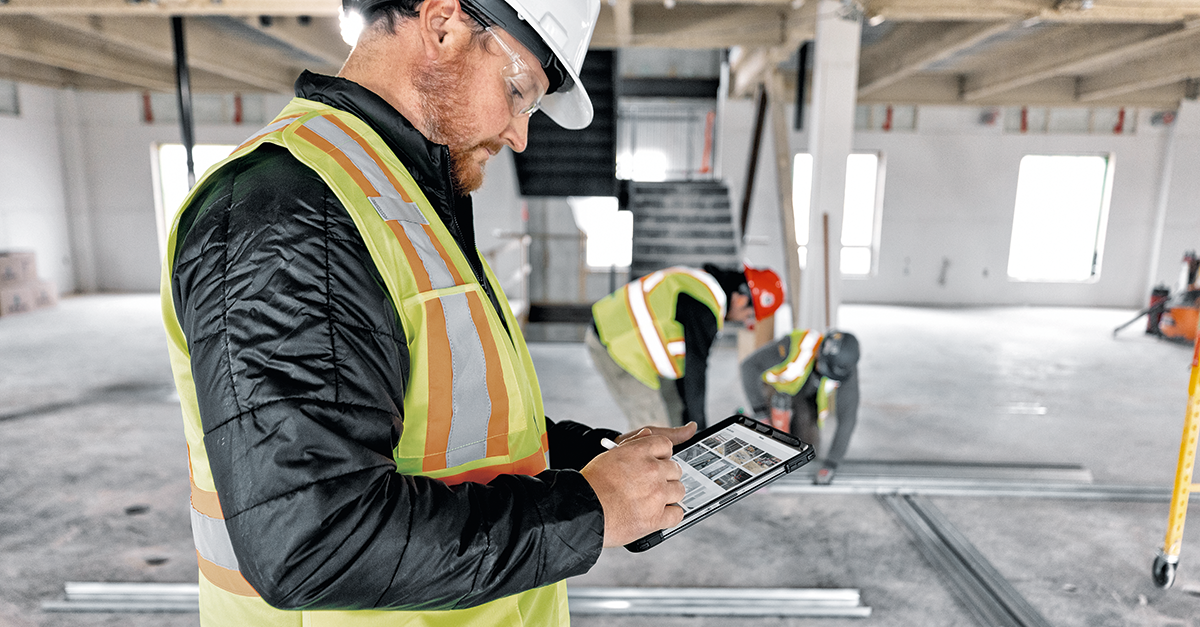
Mechanical strength is no longer the only factor in modern construction equipment. Technology now plays a significant role in enhancing machine performance in demanding settings. Telematics, automated controls, GPS tracking, and sophisticated monitoring systems enable operators to handle equipment more effectively.
When problems start to arise, real-time diagnostics may notify maintenance personnel and operators. This makes it possible to finish repairs before significant problems arise. Additionally, automated technologies assist projects in remaining on time by increasing accuracy during lifting, grading, and excavation jobs.
Additionally, technology-driven features lessen operator fatigue. Operators can perform longer shifts more efficiently because of ergonomic chairs, touchscreen controls, temperature systems, and comfortable cabins. Both productivity and worker safety benefit from these advancements.
Safety Features For Tough Job Locations
One of the top considerations in construction settings is safety. Advanced safety measures are crucial since heavy machinery often runs near people, cars, and dangerous situations.
In order to lower workplace hazards, modern equipment incorporates cameras, proximity sensors, rollover protection systems, and improved visibility. Braking systems and automated notifications help workers navigate crowded work areas.
Recent advancements in lighting systems have made it possible for equipment to operate safely at night or in low light. These developments help projects proceed without needless delays while promoting safer operations.
Choosing equipment with the newest safety features is often advised by a reputable construction equipment supplier. This enhances overall project site protection while assisting contractors in meeting industry regulations.
Sustainability And Fuel Efficiency
Machines that can operate effectively for long periods of time are necessary in demanding work conditions. Due to growing operating expenses and environmental consciousness, fuel consumption has become a significant problem for construction companies.
Manufacturers are releasing machinery that uses hybrid technology and sophisticated engine systems to increase fuel economy. These days, some computers include clever power management systems that modify fuel consumption based on the demands of the job.
Reduced fuel use lessens the effect on the environment while also cutting costs. Companies are being encouraged to invest in cleaner and more efficient equipment solutions as the importance of sustainable building practices grows across the sector.
For urban projects where environmental requirements are more stringent, electric and low-emission construction equipment is also becoming increasingly prevalent. These developments show how the sector is adjusting to the demands of contemporary sustainability.
Upkeep And Long-Term Dependability
Regular maintenance is necessary to keep construction equipment running at its best in harsh settings. In order to minimize downtime, modern machines are built with simpler service access and maintenance-friendly features.
Equipment management is made easier by computerized maintenance tracking, automatic lubrication systems, and quick access panels. Predictive maintenance technology also allows companies to identify potential issues before they become expensive problems.
Reliable maintenance support is another reason why businesses value working with an experienced construction equipment supplier. Access to replacement parts, technical expertise, and service support can significantly improve equipment lifespan and operational efficiency.
Long-lasting machinery provides better return on investment while helping construction companies complete projects more effectively.