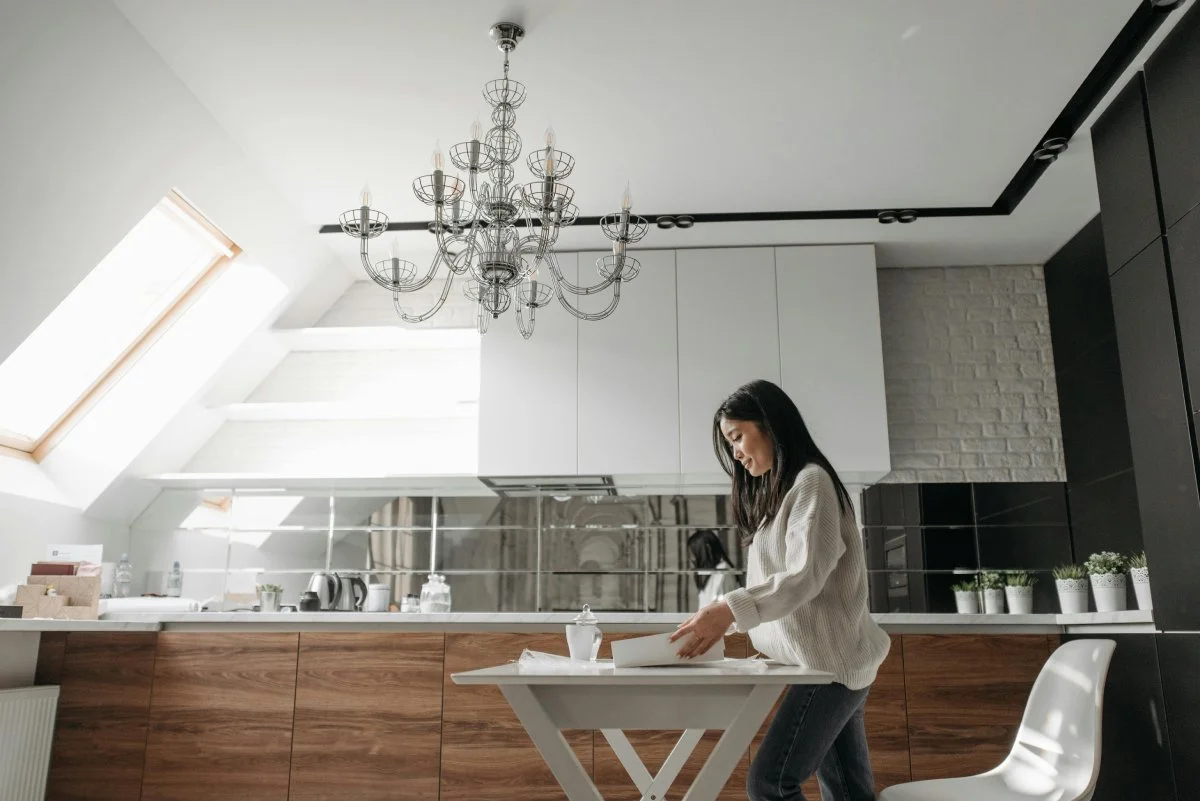
A home should be a place that supports daily life rather than creating extra work. While every house requires regular care, thoughtful planning can significantly reduce the time and energy needed to keep everything in good condition. Smart layouts, practical materials, and organized storage make everyday tasks simpler while preventing common maintenance challenges. Instead of constantly fixing problems or reorganizing clutter, homeowners can spend more time enjoying their living spaces.
Smart Layouts Improve Everyday Efficiency
The way a home is designed has a direct impact on how easily it can be maintained. Rooms that are arranged logically reduce unnecessary movement and make cleaning routines more efficient. Kitchens with well positioned storage, bathrooms with accessible fixtures, and laundry areas located near bedrooms all contribute to smoother daily living.
A carefully planned home also minimizes unused or awkward spaces where dust and clutter tend to collect. This practical approach is often discussed on a technology trends blog, where modern design innovations are highlighted for improving everyday life.
Choosing Durable Materials Saves Time
One of the best ways to reduce maintenance is by selecting long lasting materials during construction or renovation. High quality flooring, moisture resistant wall finishes, durable countertops, and weather resistant exterior materials require fewer repairs over the years.
Although premium materials may have a higher initial cost, they often lower long term expenses because they need less frequent replacement. Durable finishes also maintain their appearance with basic cleaning, reducing the effort required to keep the home looking its best.
Organized Storage Prevents Everyday Clutter
Clutter is one of the biggest reasons homes feel difficult to maintain. A well planned home includes storage solutions that fit the needs of the household. Built in cabinets, pantry shelving, under stair storage, and multifunctional furniture all help keep belongings organized.
Good organization also makes seasonal changes easier. Decorations, sports equipment, and rarely used items remain accessible without occupying valuable living areas. Similar principles of planning and organization are often discussed on a digital marketing blog, where structured systems are recognized as key to long term efficiency.
Practical Design Makes Cleaning Easier
Some homes require more cleaning simply because of their design. Large decorative surfaces, complicated architectural details, and difficult to reach areas collect dust and require additional attention.
Well planned homes avoid unnecessary maintenance by emphasizing practical features. Smooth surfaces, accessible windows, easy to clean flooring, and well designed bathrooms all simplify regular household chores. Even selecting furniture with appropriate spacing allows vacuum cleaners and mops to reach every corner more easily.
Efficient Outdoor Spaces Need Less Attention
The exterior of a property also benefits from careful planning. Low maintenance landscaping, proper drainage, and durable paving reduce ongoing work throughout the year. Native plants often require less watering and care, while automated irrigation systems help maintain healthy gardens with minimal effort.
Many homeowners researching practical outdoor improvements may even come across resources through a write for us australia platform where professionals share home improvement ideas and landscaping strategies.
Preventive Planning Reduces Future Repairs
Homes that are designed with maintenance in mind often experience fewer unexpected problems. Proper roof drainage, quality insulation, well placed ventilation, and accessible utility systems make inspections and repairs much easier.
Preventive maintenance also becomes simpler when homeowners can easily access electrical panels, plumbing connections, and heating equipment. Addressing small concerns before they grow into larger issues protects both the property and the household budget.
Technology Supports Better Home Management
Modern homes increasingly incorporate smart technology that helps reduce maintenance responsibilities. Leak detectors, programmable thermostats, security systems, and energy monitoring devices allow homeowners to identify potential problems before they become expensive repairs.
Many businesses developing these innovative products are listed within an australian business directory, making it easier for homeowners to discover reliable suppliers and service providers that specialize in home automation and smart living solutions.
Planning for Future Needs
A well planned home is designed not only for current lifestyles but also for future changes. Flexible rooms, adaptable storage, wider walkways, and accessible layouts allow the home to remain functional as family needs evolve.
Planning ahead reduces the need for frequent renovations, helping homeowners avoid unnecessary disruption and additional maintenance costs later. These forward thinking design concepts are often explored by professionals who contribute to write for us marketing publications, where long term planning is recognized as an important investment strategy.
Conclusion
Well planned homes are easier to clean, simpler to organize, and less expensive to maintain over time. Practical layouts, durable materials, efficient storage, and thoughtful design decisions all contribute to reducing everyday effort while improving comfort. Rather than constantly reacting to maintenance problems, homeowners can enjoy a living environment that works efficiently for their lifestyle. Investing in careful planning from the beginning creates a home that remains functional, attractive, and easier to care for for many years.