Structures and buildings are subjected to environmental stress on a continuous basis. Gradual wear and tear is caused by a variety of factors, including pollution, rain, humidity, UV rays, and temperature fluctuations. These factors may degrade materials, shorten their lifetime, and require expensive repairs if they are not properly protected. Surface coatings serve as a barrier to prevent damage to buildings and help them stay strong and attractive for many years.
Surface Coatings’ Function In Structural Defence
Surface coatings are specialised layers that are applied to materials, including masonry, steel, concrete, and wood. Their main objective is to provide a protective barrier between the environment and the building. One of the main dangers to structures is moisture. Water seeping into surfaces may lead to concrete cracking, wood rot, and metal Corrosion. Coatings keep interior materials stable and dry by preventing this infiltration.
Protective coatings assist buildings in managing environmental stress before it results in structural collapse, just as training, such as North Lakes First Aid trains people to react to problems before they worsen. major repairs later are usually more expensive than early prevention.
Stopping Rust And Corrosion
Fasteners, railings, and beams made of metal are particularly susceptible to corrosion. When metal deteriorates due to reactions with air and moisture, rust is created. This may eventually jeopardise safety and load-bearing capability. Coatings that are anti-corrosive provide a barrier that prevents water and air from getting to the metal surface.
Specialised primers and sealants that slow down the chemical processes that cause rust are often included in these coatings. They prolong the useful life of structural elements and lessen the need for replacement by halting corrosion early. Protective coatings operate proactively to prevent small surface concerns from turning into major risks, much as a first aid and CPR course North Lakes teaches preventative and quick reaction tactics.
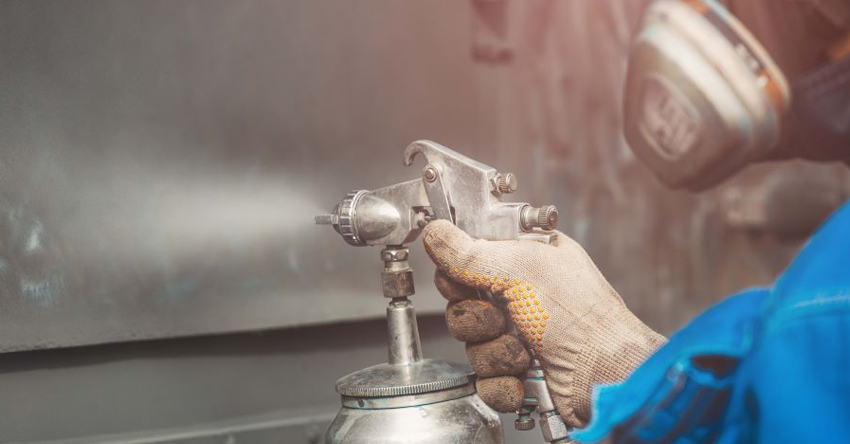
Defence Against Weather And UV Exposure
Despite its apparent innocuousness, sunlight degrades a variety of construction materials over time. Wood weakens, plastics become brittle, and paint fades. UV stabilisers included in weather-resistant coatings deflect or absorb damaging UV rays, protecting the substance below.
This protection is particularly more crucial in areas with intense sunshine, a lot of rain, or air that is packed with salt. Additionally, coatings are resistant to temperature-induced expansion and contraction. This adaptability helps in avoiding fissures that let water seep in and erode walls and foundations.
Minimising Damage From Moisture
One of the main causes of structural degradation is water damage. For instance, concrete has microscopic holes despite its very solid appearance. Cracks and surface spalling result from the expansion of water that enters these pores and freezes. By sealing these holes, waterproof coatings lessen water absorption and prevent corrosion of internal reinforcing bars.
Applying moisture-resistant coatings enables a building to tolerate harsh conditions without sustaining long-term harm, much as taking a first aid course in North Lakes to be ready for unforeseen circumstances. Emergency repair is seldom as successful as prevention.
Improving Resistance To Chemicals And Pollution
Structures are exposed to chemicals, pollutants, and acidic materials in urban and industrial settings. These impurities have the ability to weaken, erode, and discolour surfaces. Specialised coatings preserve the structural integrity and aesthetic appeal of surfaces by resisting chemical reactions and making cleaning simpler.
This is especially crucial in establishments where spills and emissions are frequent, such as factories, warehouses, and parking lots. Coatings assist in stopping extensive material degradation that might endanger safety by fending off chemical assault.
Cutting Down On Maintenance Expenses
Lower maintenance is one of the most useful advantages of surface coatings. Less maintenance, less repainting, and less replacement of broken components are needed for protected surfaces. This results in considerable cost reductions over time.
Coatings may be used by property owners to reduce the ageing process rather than fixing corrosion, cracking, or water damage after it has already happened. Coatings are a wise long-term investment since they prolong performance via routine inspections and prompt reapplication.

Encouragement Of Structural Longevity
Rarely can structural deterioration occur overnight. It emerges gradually as a result of little, often overlooked problems. As a first line of defence, surface coatings break this cycle. They promote overall durability, stop environmental penetration, and preserve the integrity of the materials.
When combined with proper construction techniques and routine maintenance, coatings are crucial for preserving the safety and value of buildings. This safeguard may make the difference between routine maintenance and extensive structural restoration over many years.
In Conclusion
There is more to surface coatings than simply beautiful finishes. They act as defence mechanisms that shield buildings from environmental stressors, chemicals, dampness, corrosion, and UV rays. They support lifespan, strength, and safety by keeping minor issues from becoming worse. By making an investment in high-quality coatings now, buildings will continue to be dependable and strong for a very long time.