Workplaces are designed for productivity, but accidents can happen in any environment, from offices to warehouses and construction sites. A minor injury, if not handled properly, can quickly turn into a serious medical Emergency. This is where first aid training plays a powerful role. It gives employees the knowledge, confidence, and practical skills needed to respond immediately, reducing the risk of a situation getting worse before professional medical help arrives.
Immediate Response Makes a Critical Difference
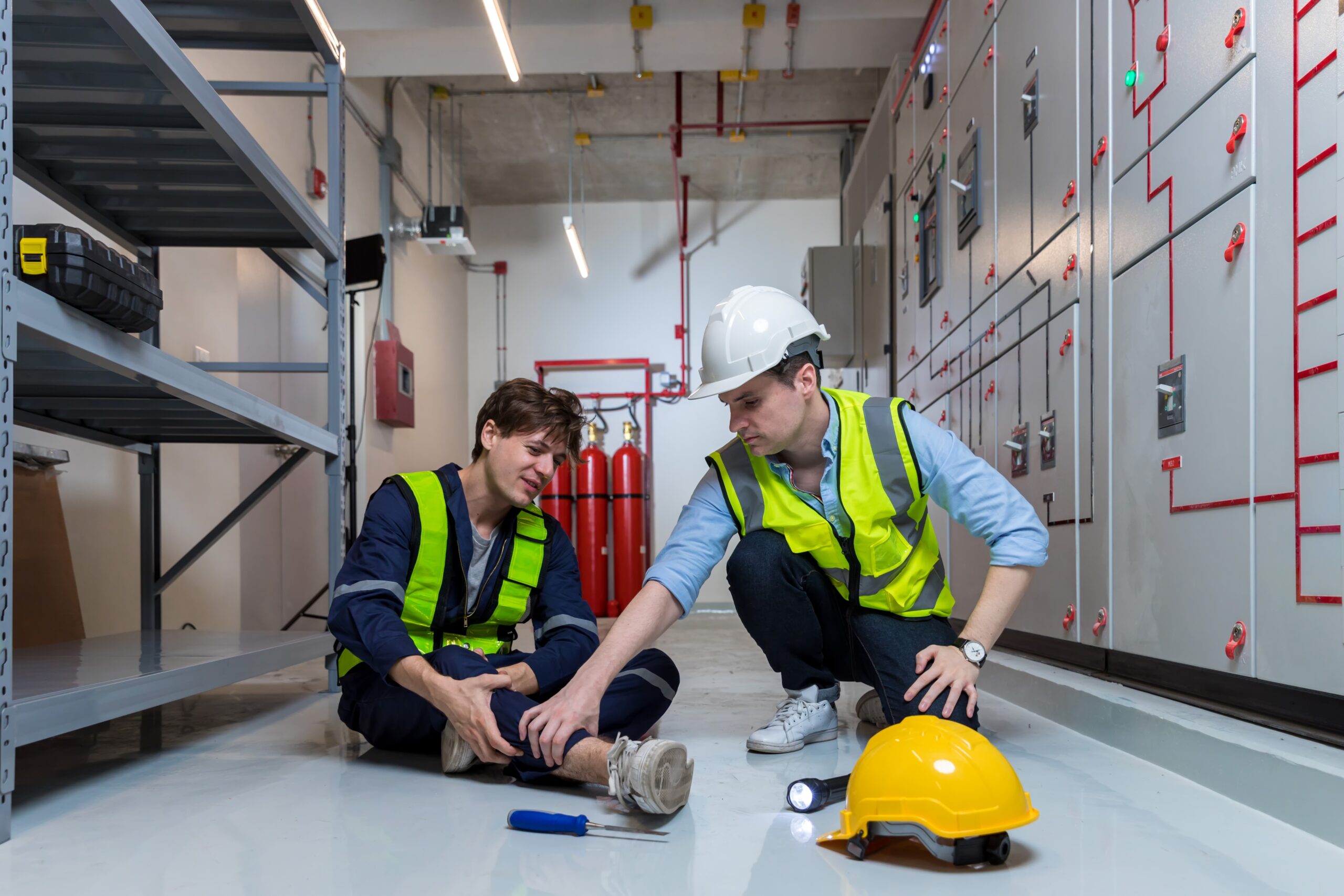
The first few minutes after an incident are often the most important. Whether it is a slip, a fall, a burn, or sudden chest pain, a fast and informed response can prevent complications. Employees who have completed first aid courses in Townsville are trained to assess the situation quickly, ensure the scene is safe, and provide appropriate care. This may include controlling bleeding, stabilising an injured limb, or placing someone in a recovery position.
Without this training, bystanders may hesitate, panic, or take incorrect actions that unintentionally worsen the injury. First aid knowledge replaces fear with clear steps, helping people focus on what needs to be done instead of feeling overwhelmed.
Reducing the Severity of Injuries
Many workplace incidents start small but escalate due to delayed or improper care. A simple cut can lead to severe blood loss if not treated promptly. A small burn can get sick if it is not properly cooled and covered. When workers know simple ways to treat injuries, they can stop the damage from getting worse quickly.
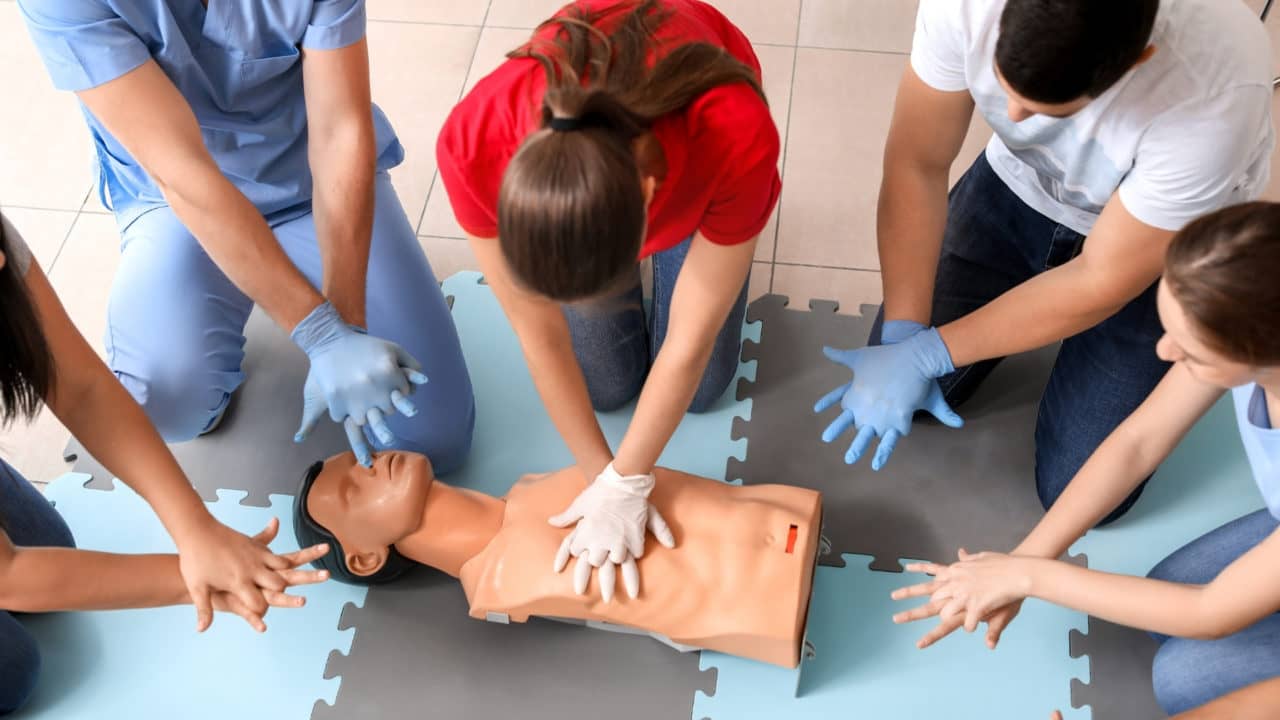
A structured cpr course townsville also prepares employees to act during life-threatening events such as cardiac arrest. If someone falls down at work, you can keep their vital organs alive until emergency services come by performing CPR right away. This can mean the difference between recovery and permanent harm. Early intervention prevents situations from becoming fatal or causing long-term disability.
Building a Culture of Safety and Responsibility
First aid training does more than teach techniques. It shapes workplace culture. When employees know their colleagues are trained, there is a shared sense of security. People become more aware of potential hazards and are more likely to report unsafe conditions. This proactive mindset helps reduce incidents in the first place.
Workers who hold a first aid certificate townsville often feel a greater sense of responsibility toward others. They are more attentive, more prepared, and more likely to step forward during emergencies instead of waiting for someone else to act. This teamwork approach strengthens overall workplace resilience.
Faster Stabilisation Before Help Arrives
Emergency medical services are essential, but they cannot be everywhere instantly. First aid-trained staff serve as the crucial first line of support. They can monitor breathing, manage shock, and keep an injured person calm and still. These actions prevent conditions from deteriorating during the waiting period.
For example, recognising the signs of a stroke or heart attack allows for quicker medical intervention, improving survival and recovery rates. Trained employees also know how to provide accurate information to paramedics, which speeds up professional treatment once they arrive.
Minimising Workplace Disruption
When incidents escalate, the impact goes beyond the injured person. Production stops, investigations begin, and morale drops. Quick first aid responses can shorten recovery time and reduce the seriousness of outcomes. This means fewer lost workdays and less emotional stress for coworkers who witnessed the event.
Prepared workplaces recover faster from emergencies because people know what to do. Instead of chaos, there is coordinated action.
A Practical Investment in Prevention
Learning how to give first aid is more than just the law. It is a practical strategy to stop minor incidents from becoming major crises. By equipping employees with lifesaving skills, businesses protect their people, reduce risk, and create a safer, more confident workforce. In emergencies, knowledge truly is the first and most important line of defence.