



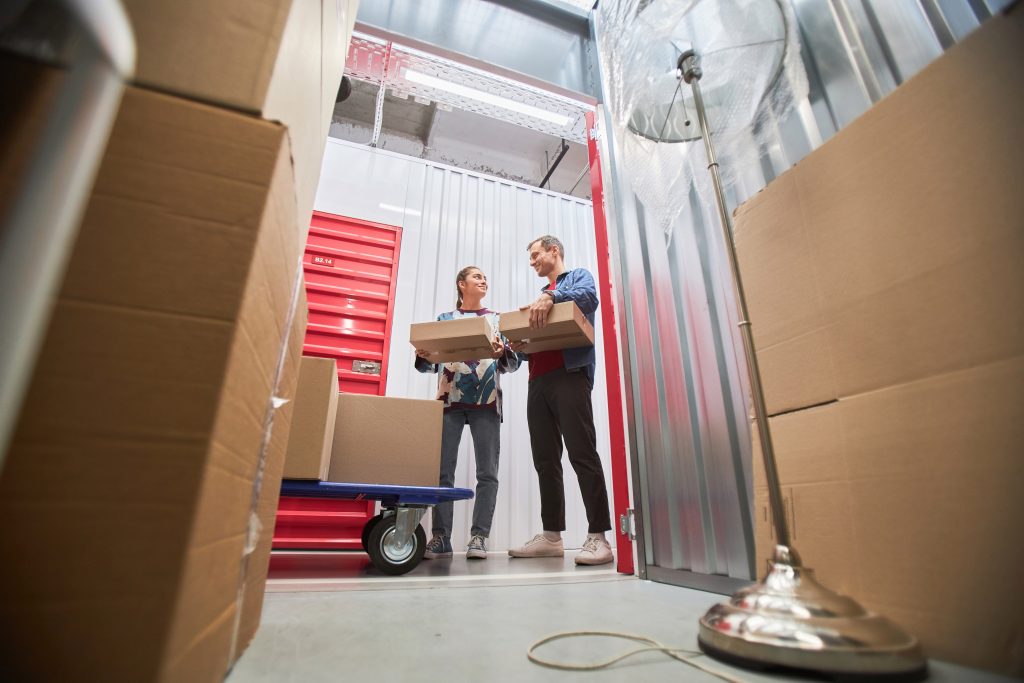
Modern living is not complete without self-storage. It’s a must for anyone who needs extra space, wants to declutter, or move. Rental of a storage space can be a convenient way to simplify your daily life. However, to ensure that your belongings are safe within the unit requires more than simply locking the doors. Proper packaging, climate control, and routine maintenance are key to ensuring that your possessions stay in great condition. Here’s an ultimate guide for protecting your items while in self-storage.
1. What Is The Best Storage Unit?
To ensure that your possessions are safe, the first step is to choose the best unit for your storage needs. Security features and size are equally important. Consider facilities that provide 24/7 surveillance with gated access and individual keys or locks per unit. The security of a well-lit facility will deter thieves and give you peace of mind every time.
For sensitive items like electronic equipment or important documents, such as wooden furniture and electronics, you should opt for a climate-controlled unit. These maintain consistent temperatures and humidity levels to prevent mold, corrosion, and warping. This is of particular importance in areas that have extreme weather fluctuations.
2. You Should Clean And Prepare All Your Items Prior To Storage
Make sure your storage space is dry and free of dust. Dust, dirt, or moisture may cause mold to grow in long-term storage.
- Wooden furniture: Wipe the surfaces with a mild cleaner. Furniture polish or wax can be applied to wooden items to provide an additional layer of protection.
- Appliances: Defrost the freezer or refrigerator completely. Keep the fridge doors slightly ajar to prevent odors.
- Clothing, textiles, and other items: Clean and dry any fabric item before packing. Store them in airtight jars or vacuum-sealed plastic bags to keep moisture out and protect from pests.
You can significantly increase the lifespan of your products by cleaning them thoroughly.
3. Invest In Quality Packing Materials
The material used for packing is crucial in protecting your possessions. Investing money in strong and uniform boxes, bubble wrap, packing papers, and sturdy tape will help you keep your possessions safe. Avoid plastic bags. They trap moisture, which encourages mold growth.
When packing fragile items like ceramics and glassware, you should wrap each item separately. You can also fill in empty spaces by using crumpled newspaper or foam peanuts. Label boxes clearly and indicate those that contain delicate items.
STORAGExperts at Shea recommends that you use moisture absorbers, or silica packs, in the boxes to protect your sensitive items.
4. Pests – Protect Your Home Against Them
Pests may find their way into the cleanest of buildings. To minimize the risk of pest infestation, don’t store anything perishable, such as plants or food, or any other items that could attract insects or rodents.
To keep pests at bay, you can use natural repellents to fill boxes. These include cedar blocks, lavender sachets, or lavender oil. To ensure your unit is in top condition, check it regularly.
5. Regularly Visit And Inspect
Even if the storage unit you have is in an environment-controlled, secure facility, it is important to check your items regularly. It’s important to check on your items regularly. This will help you detect any damage, leaks, and pests. This allows you to update your stored items or reorganize them as your needs may change.
A simple monthly inspection, according to STORAGExperts of Shea, may make a big difference in the integrity and security of your stored items.
Conclusion
Keeping your belongings secure in self-storage requires a great deal of preparation and organization. By choosing the best unit, packing carefully, and inspecting your items regularly, you will be able to rest assured that they are well-protected and in good shape.
Following these storage best practices is the only way to keep your items in top condition. In case of doubt, you can always seek professional advice. As STORAGExperts emphasize, proper care and storage from the very beginning is essential for long-term security.